
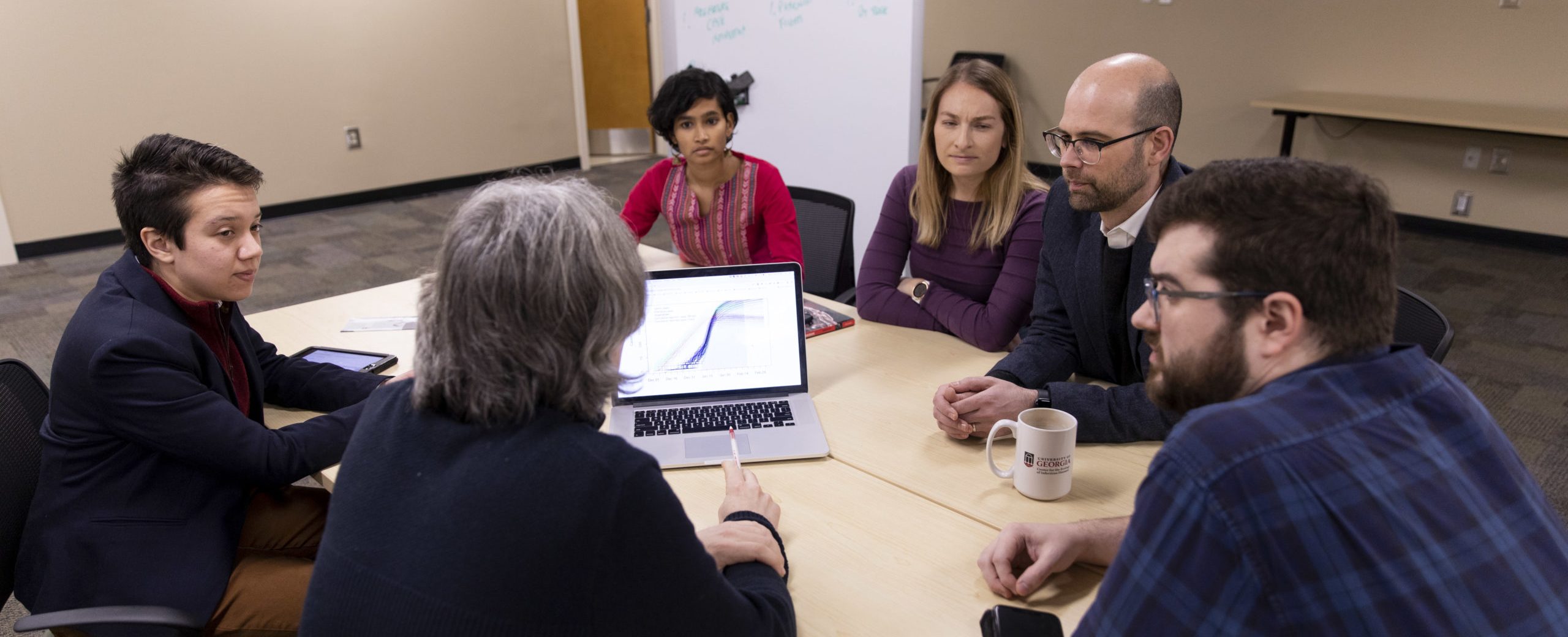
CEID houses several interdisciplinary working groups, uniting faculty and students with shared research interests, to complete research projects and grant proposals.
Macroparasite Working Group
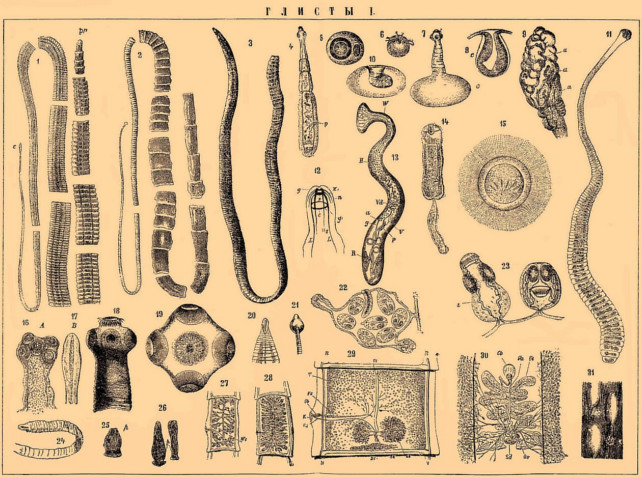
The Macroparasites Working Group addresses how metazoan parasites evolve and are maintained in natural and modified ecosystems. This working group addresses how parasites with often complex life cycles evolve to impact human, domestic animal and wildlife health. Systems of interest include arthropod ectoparasites, gut helminths, and others. The Macroparasite Working Group is supporting the new Atlas of Macroparasite Abundance project, which aims to catalog parasite burdens around the world.

Disease Forecasting Working Group
The Disease Forecasting Working Group aims to advance our capacity to forecast infectious disease dynamics by developing next generation time series modeling methods, and by developing a forecasting framework to facilitate the efficient and effective forecasting of infectious diseases in real time.
Next generation forecast models. The working group is pioneering approaches blending mechanistic modeling, statistical modeling, and artificial intelligence. These efforts include semiparametric models and physics-informed neural networks.
Forecast architecture. The forecasting working group is currently developing an open-source forecasting pipeline with the goal of facilitating and automating complete forecasting workflows, including data ingestion, modeling, model evaluation, and visualization.
Forecasting challenges. This working group facilitates coordination between CEID teams and forecasting research groups at other institutions through collaborations and participation in forecasting competitions for infectious disease. The forecasting working group regularly contributes to the CDC’s seasonal Influenza and COVID-19 forecasting challenges.
Macroecology Working Group
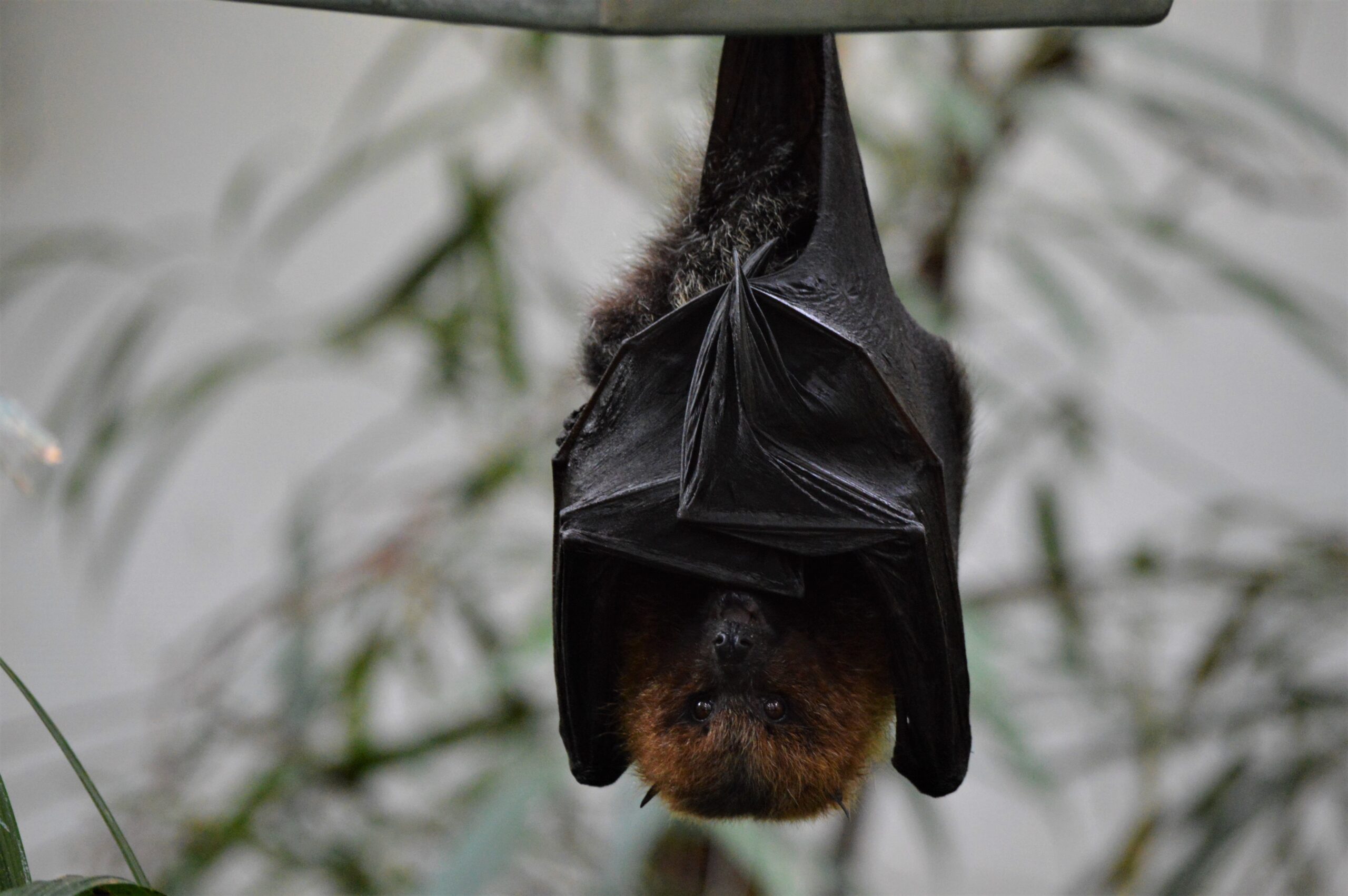
Established in October 2017, this working group aims to develop the Center’s collective expertise in spatial disease macroecology. These efforts include developing learning resources for other center members while working on collaborative mapping/modeling projects to provide hands-on experience to group members. We have developed tutorials for disease mapping using the R programming language and have recently completed a species distribution model of Echinococcus multilocularis, a tapeworm of global public health concern. We ask that those interested in collaborating our ongoing research projects first become formal members of the group; however, anyone who is interested in our various outreach events may attend our biweekly meetings. If you are interested in participating in our working group, please contact Andrew Park or Elizabeth Warburton.

Vector Working Group
The Vector Working Group was formed in 2024 to support the development of cutting edge projects in under-developed knowledge areas regarding vectors and vector-borne disease. This working group has brought together world leading expertise from across the UGA campus, and encompasses a wide range of vector-borne disease systems, including those vectored by mosquitos, ticks, midges, and kissing bugs. These systems encompass human, domestic animal, and wildlife disease outbreak issues. A particular focus of the group is in the development of enhanced expertise in vector-borne disease problems where there are multiple vector and host species, as these present some of the most vexing health challenges.
Former Working Groups Include:

Behavior
Coronavirus

Mapping
Spillover
Frequently Asked Questions
Can anyone join a Working Group?
We ask that anyone wishing to praticipate in a working group join the CEID as a member.
How do I join a Working Group?
Contact ceid@uga.edu with any questions.